06 · 2025
Circular radio alarm clock
From analysis to circular design: a radio alarm clock that is repairable and sustainable.
Role
Group project, analysis and design improvement
Year
April 2025 — June 2025
Tools
SolidWorks · Material research · Design guidelines
Context
Semester 2, period 4. The Design Engineering course focused on researching and applying technical and sustainability aspects of consumer products.
The assignment
The assignment was to analyse and redesign an existing product (a radio alarm clock) from the perspective of circular design.
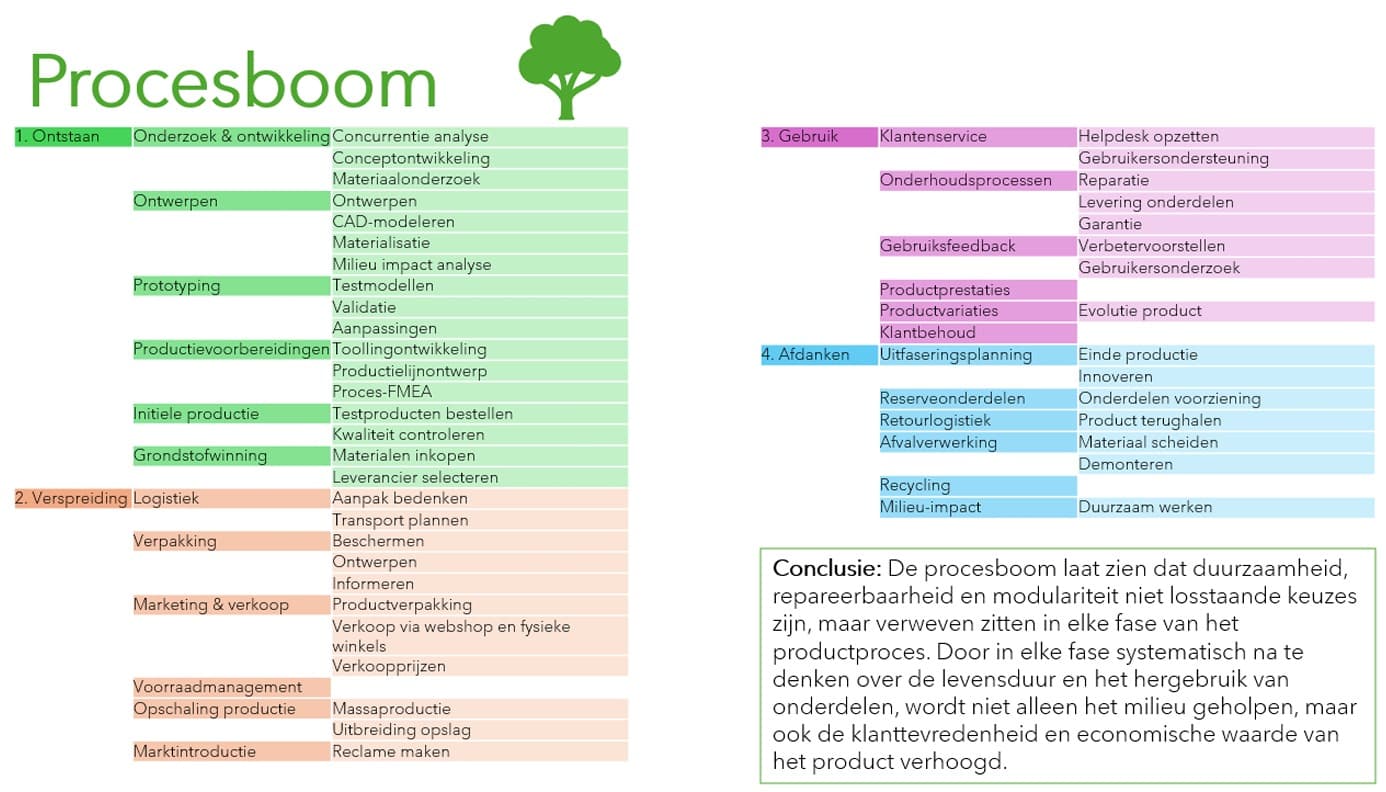
The challenge lay in improving the sustainability of the product by focusing on:
- Repairability
- Modularity
- Material use and environmental impact
In addition, the design had to be substantiated with various analysis methods and translated into concrete design improvements.
The result
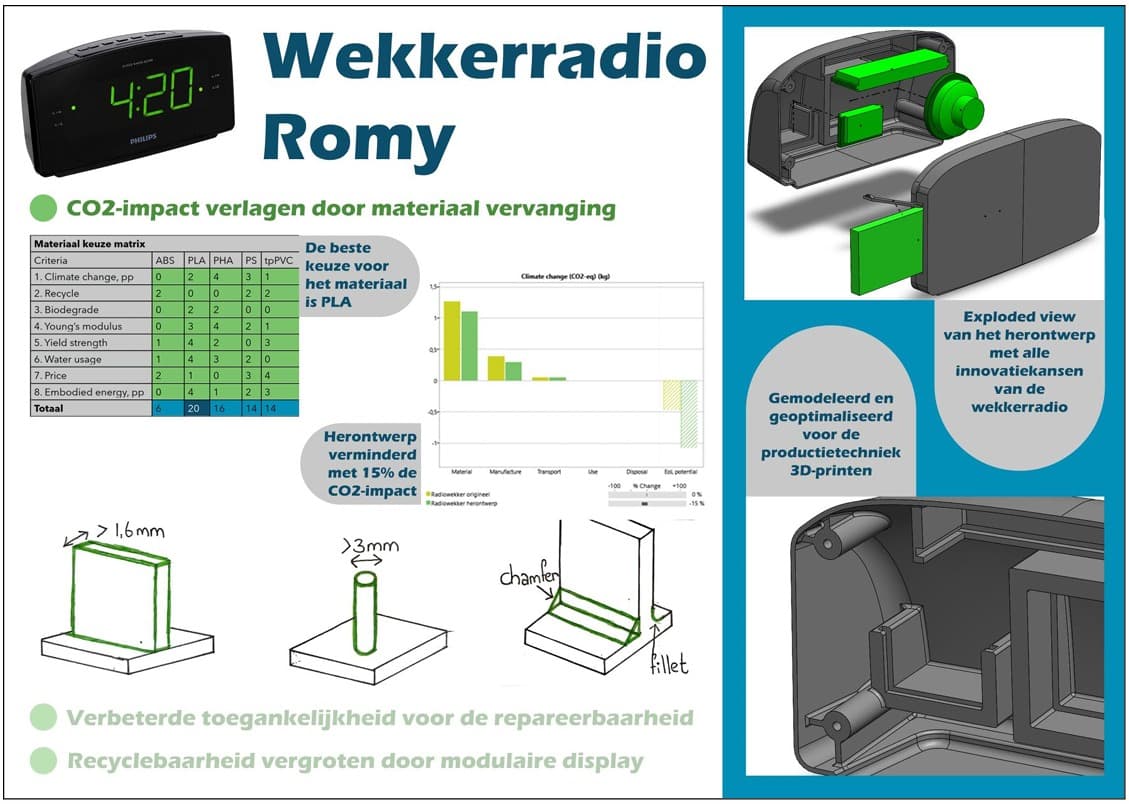
The final result is a substantiated redesign of a radio alarm clock, in which the circularity of the product has been significantly improved. Within my section the focus was on:
- Analysing the product and identifying repairability bottlenecks
- Developing a design proposal in which components are more accessible and replaceable
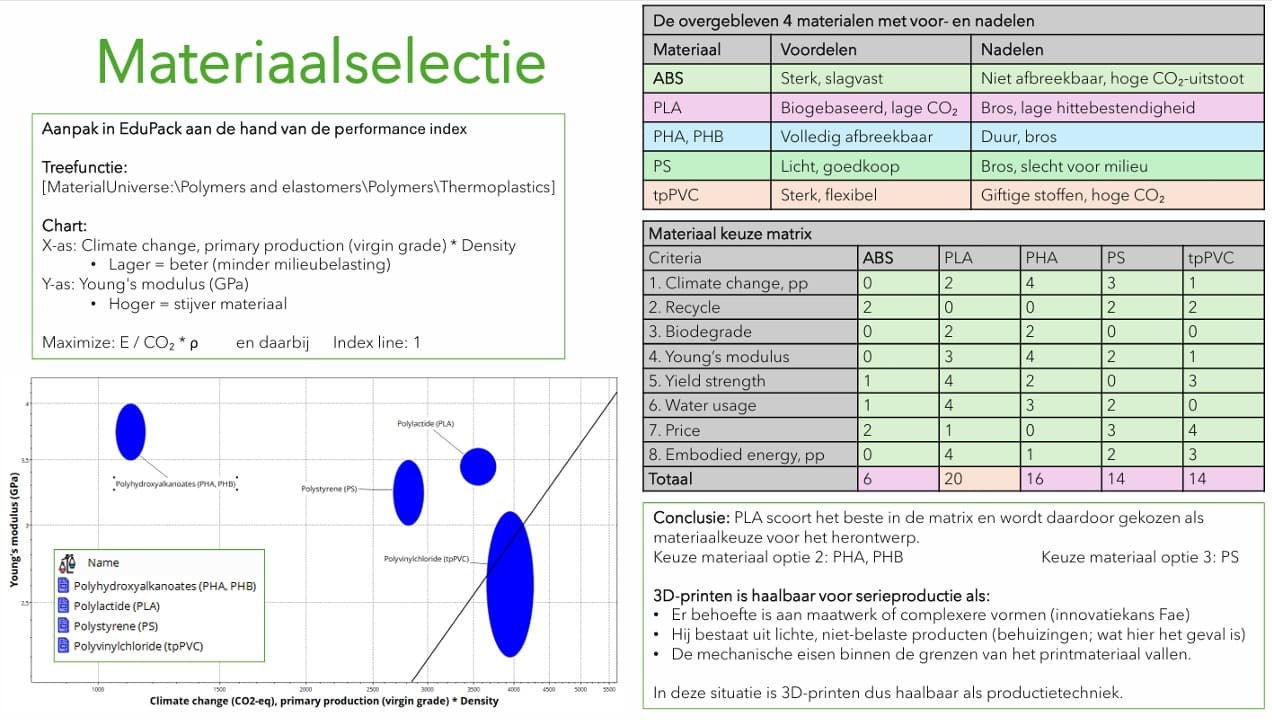
- Substantiating material choices using a performance index
Material choice well methodically researched and argumentation is well described. You have made the translation to what this means for the product by applying design guidelines in your design.
The design resulted in
- A radio alarm clock in which key components can easily be detached
- An improvement of the repairability score from 3.5 to 7.5
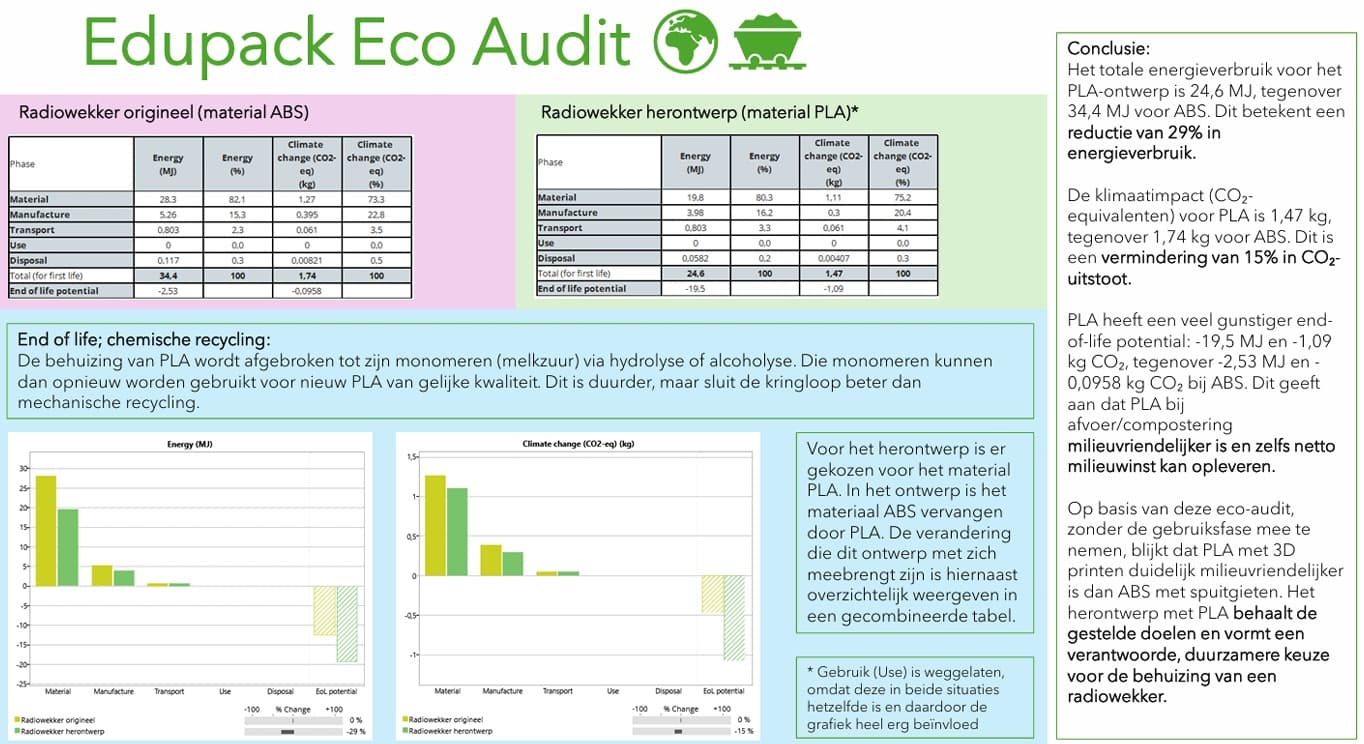
- A material choice (PLA) that results in a lower CO₂ footprint
- A visually developed concept with models and posters
The approach & my role
I carried out this project in a group of 3, where each group member developed their own design direction within the theme of circularity. My role within the project:
- Conducting product analyses and identifying repairability issues
- Choosing and developing an innovation opportunity focused on restorability
- Substantiating design choices with methods such as the performance index
- Developing the design through sketches and digital models
- Creating a visual poster presentation of my concept
My approach
- Analysing the existing radio alarm clock (structure, materials, use)
- Identifying problems around difficult-to-replace components
- Developing a design where components can be disassembled without tools
- Applying material analysis to make more sustainable choices
- Iterating based on feedback and improving the design
- My focus was primarily on translating analysis into concrete, feasible design improvements.
A strong response to the assignment
The result is a strong response to the assignment because:
- The design demonstrably improves the repairability of the product
- Circularity has been taken into account through material and design choices
- The product is easier to disassemble and repair
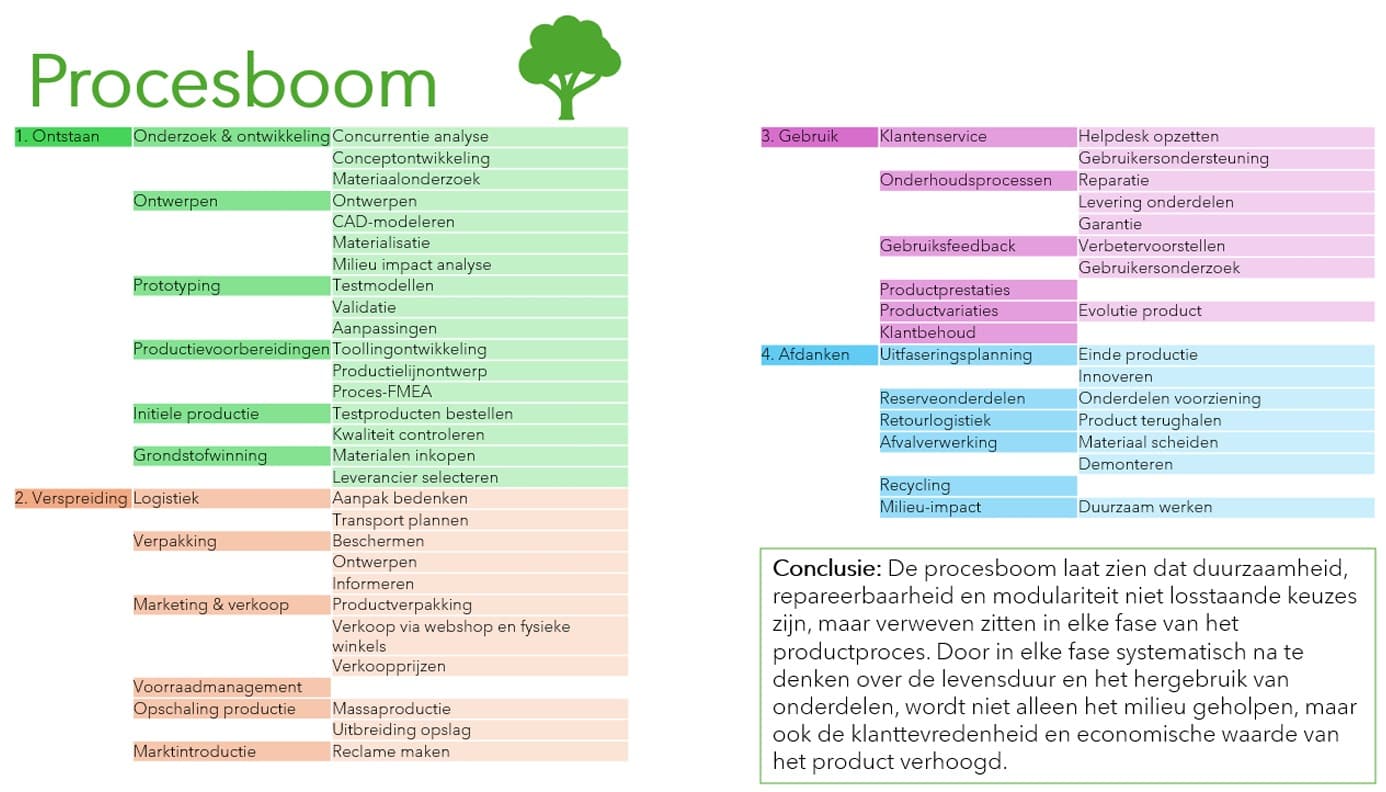
- All design choices are substantiated with analyses and methods
- Ability to conduct product analyses and translate them into design improvements
- Understanding of circular design and sustainability
- Technical and material choices can be substantiated
- Ability to independently develop a design section within a group project
- Ability to reflect on my own process and collaboration